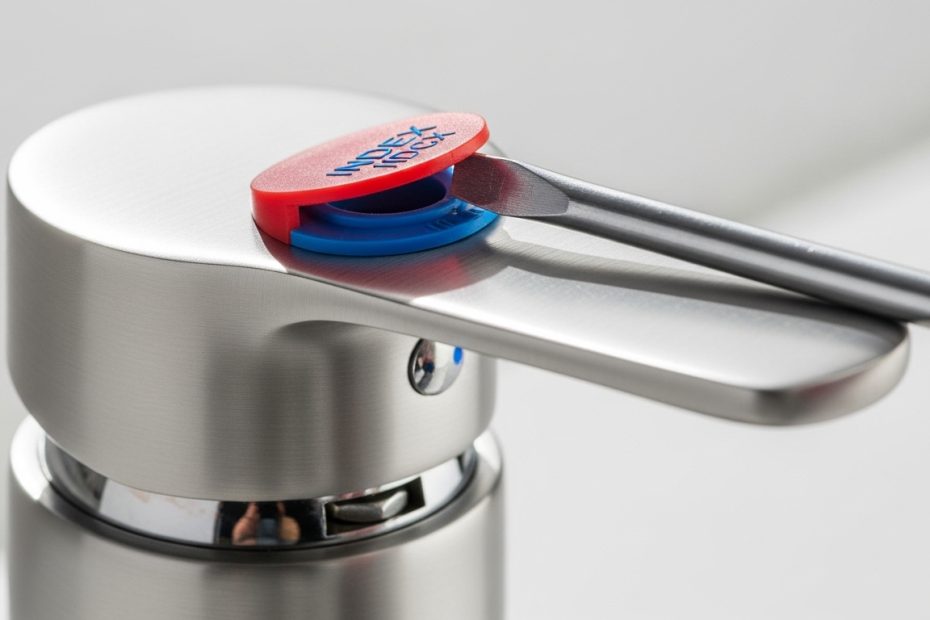
Why Is My Sink Faucet Handle Loose With No Screws, and How Do I Tighten It?
A sink faucet handle that feels loose with no visible screws almost always has a hidden set screw tucked under a snap-off decorative cap, behind the handle,…
A sink faucet handle that feels loose with no visible screws almost always has a hidden set screw tucked under a snap-off decorative cap, behind the handle,…
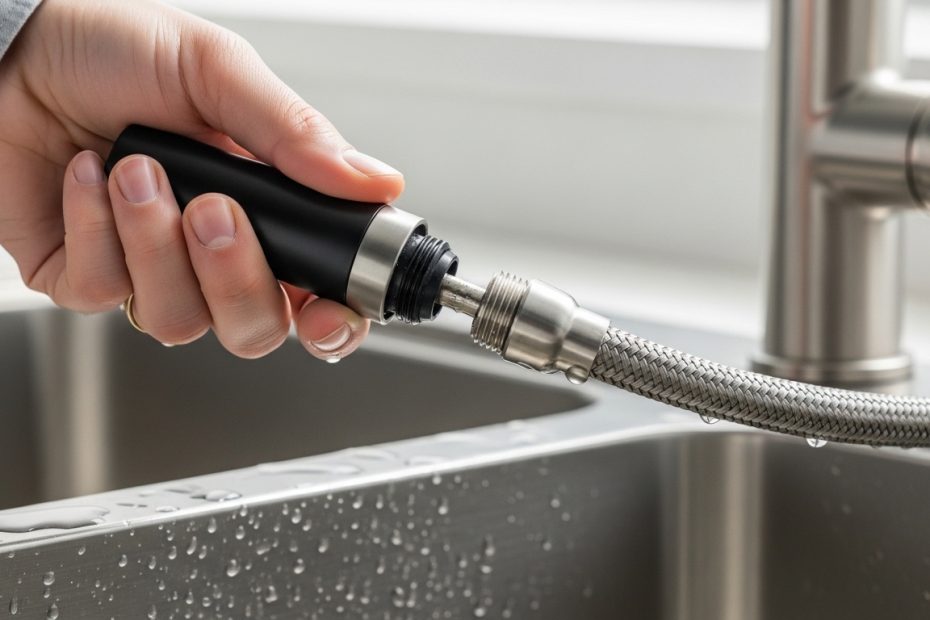
A kitchen faucet replacement head is the removable spray nozzle (the “sprayer”) that clicks or screws onto the end of a pull-down or pull-out faucet hose —…
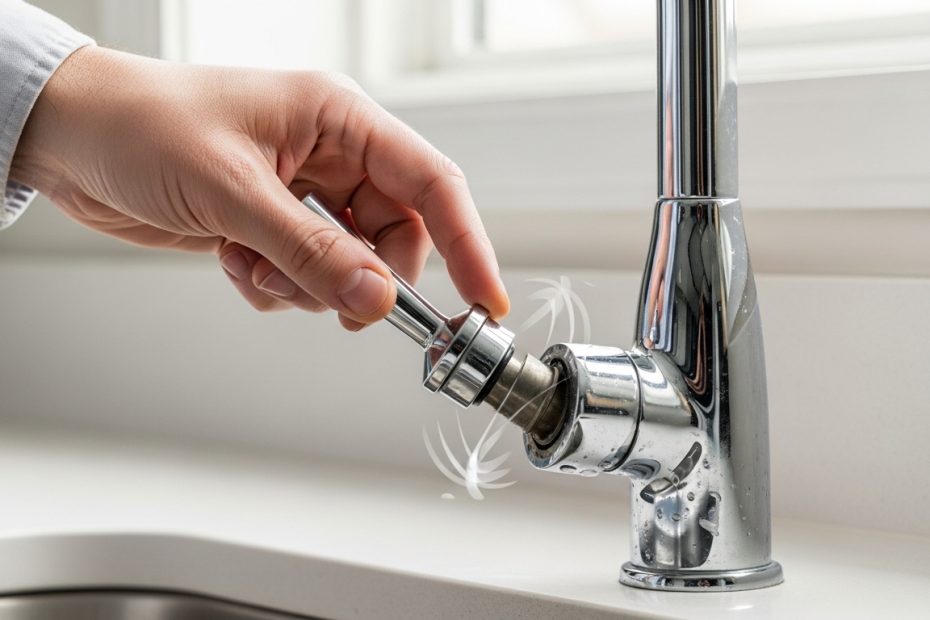
A loose faucet handle almost always means one thing: a small set screw (or the handle “button” cap over it) has backed out. Nine times out of ten you…
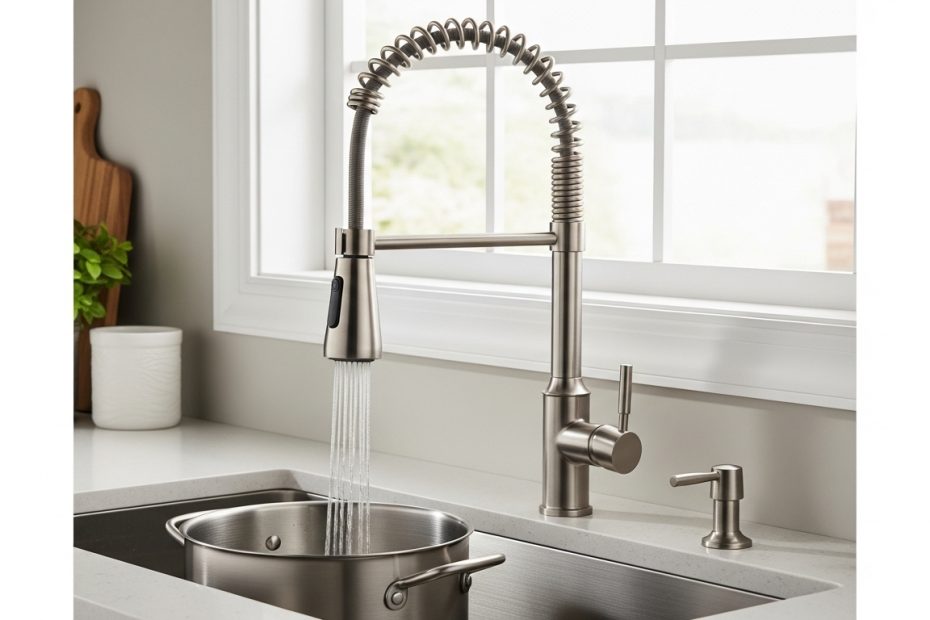
A J E L I pull down kitchen faucet is a budget-friendly ($60–$130) stainless-steel sprayer faucet that works fine for casual, light-duty kitchens, but it…
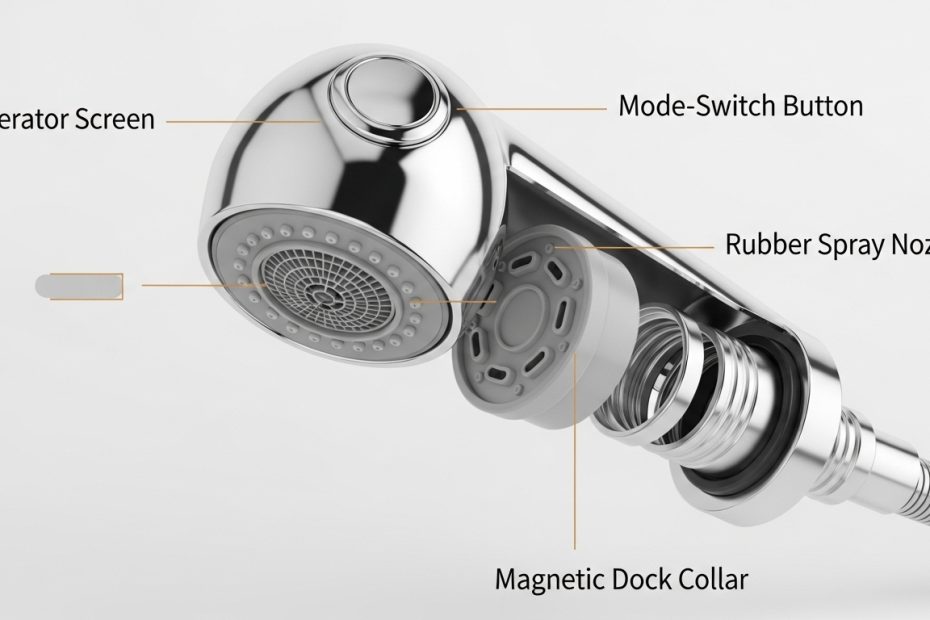
A kitchen faucet spray head is the removable nozzle at the end of a pull-down or pull-out faucet that controls your water pattern — usually switching…
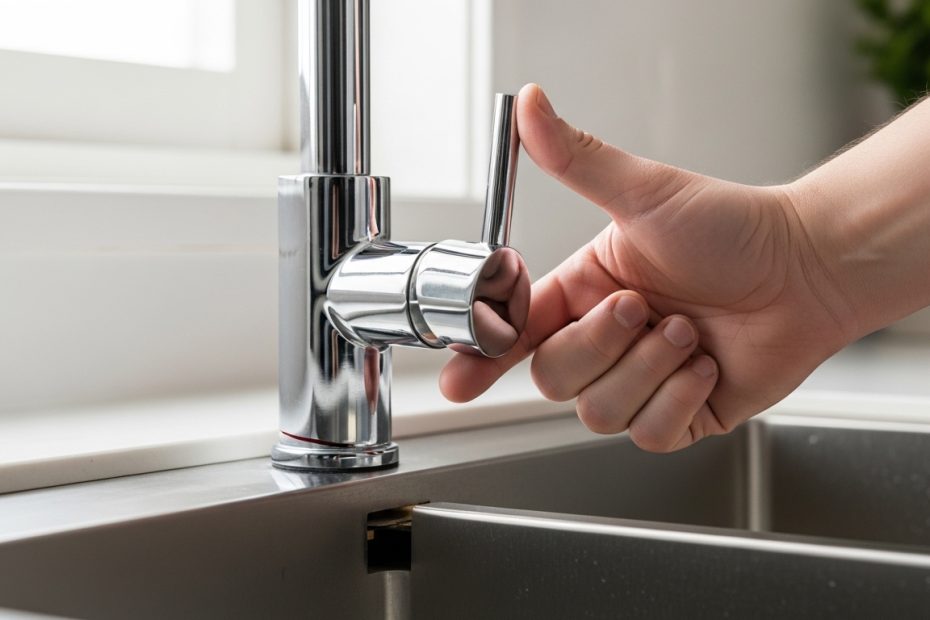
A kitchen faucet keeps coming loose almost always because the mounting nut under the sink has vibrated loose, the base gasket is worn or the deck is uneven…
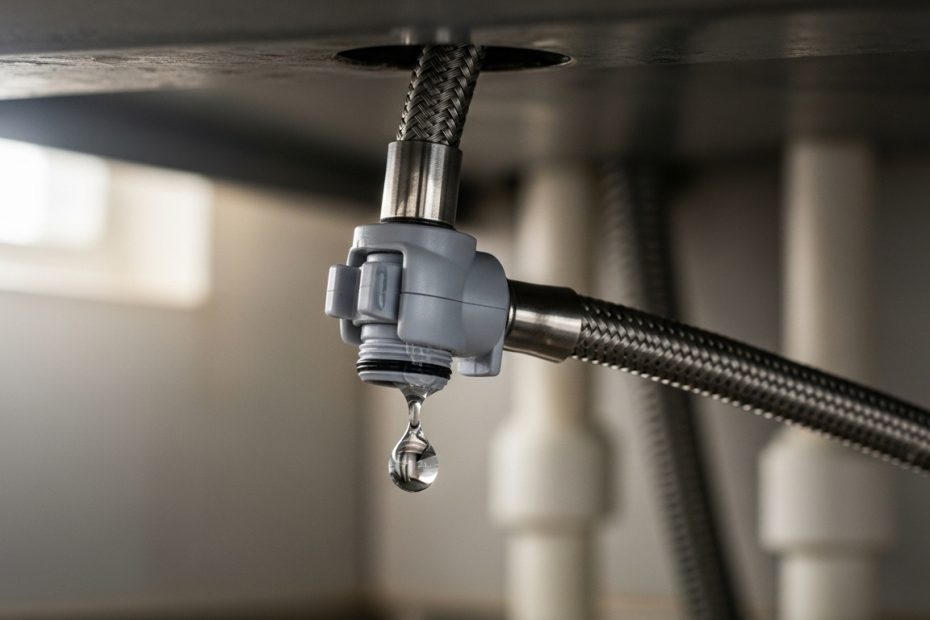
A pull-out kitchen faucet hose usually leaks at the quick-connect fitting, the sprayer head, or a cracked/kinked hose — 90% of the time you fix it by…
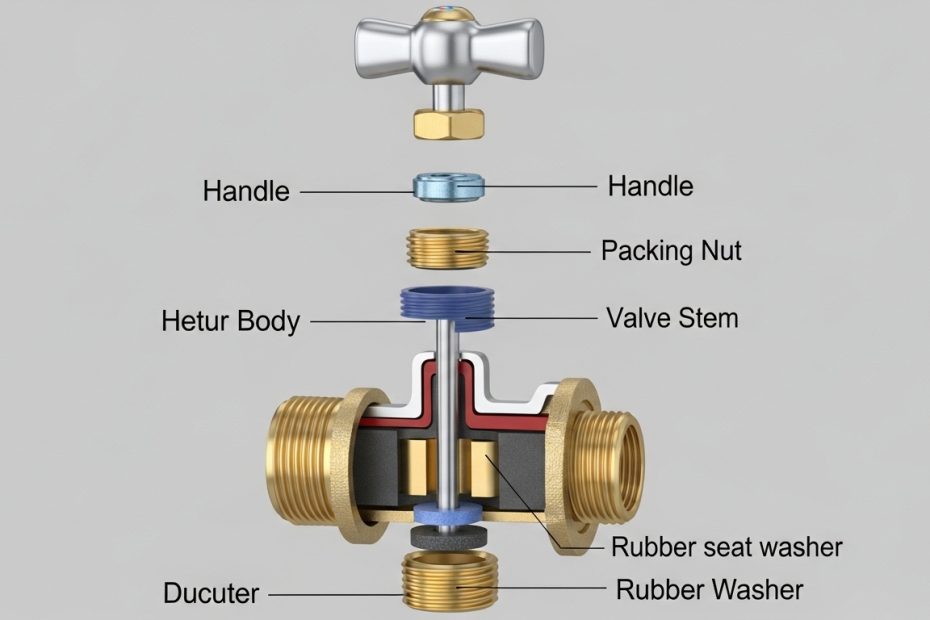
A faucet stem replacement is a 20–40 minute DIY job: shut off the water, pop off the handle, unscrew the packing nut, pull the old stem, match it exactly at…
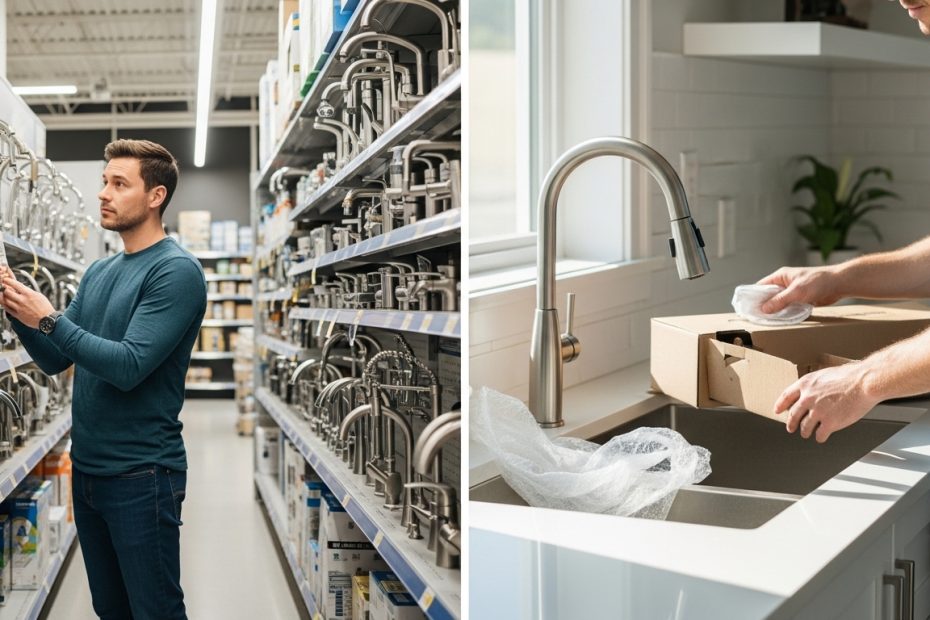
To buy a kitchen faucet, you have three real options — big-box home improvement stores (Home Depot, Lowe’s), local plumbing supply houses, and online brands…
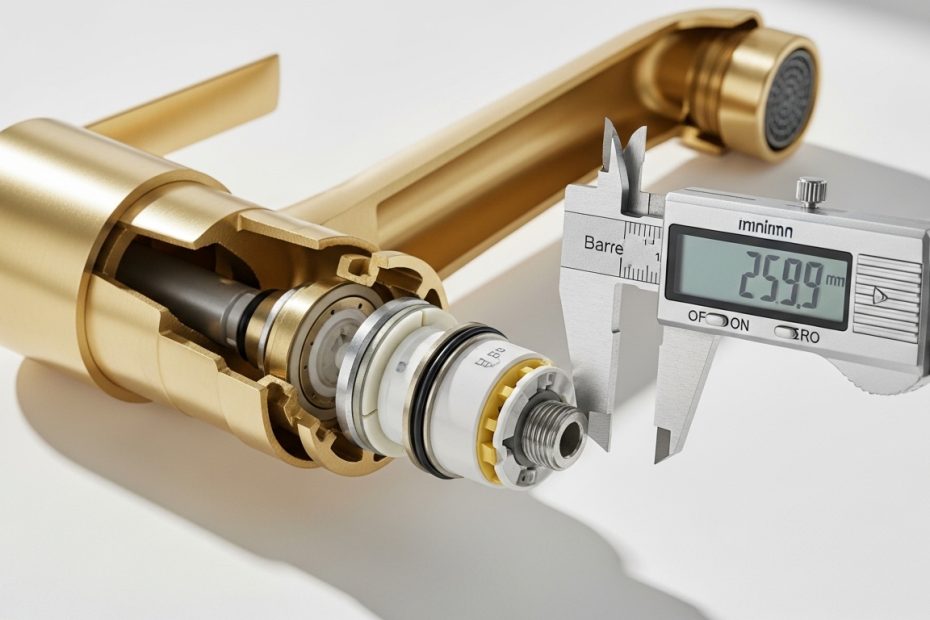
Most residential kitchen faucets use a ceramic-disc cartridge in one of three common valve sizes — 25 mm, 35 mm, or 40 mm — measured by the diameter of the…